
Is Anything Too Hard for the Lord?
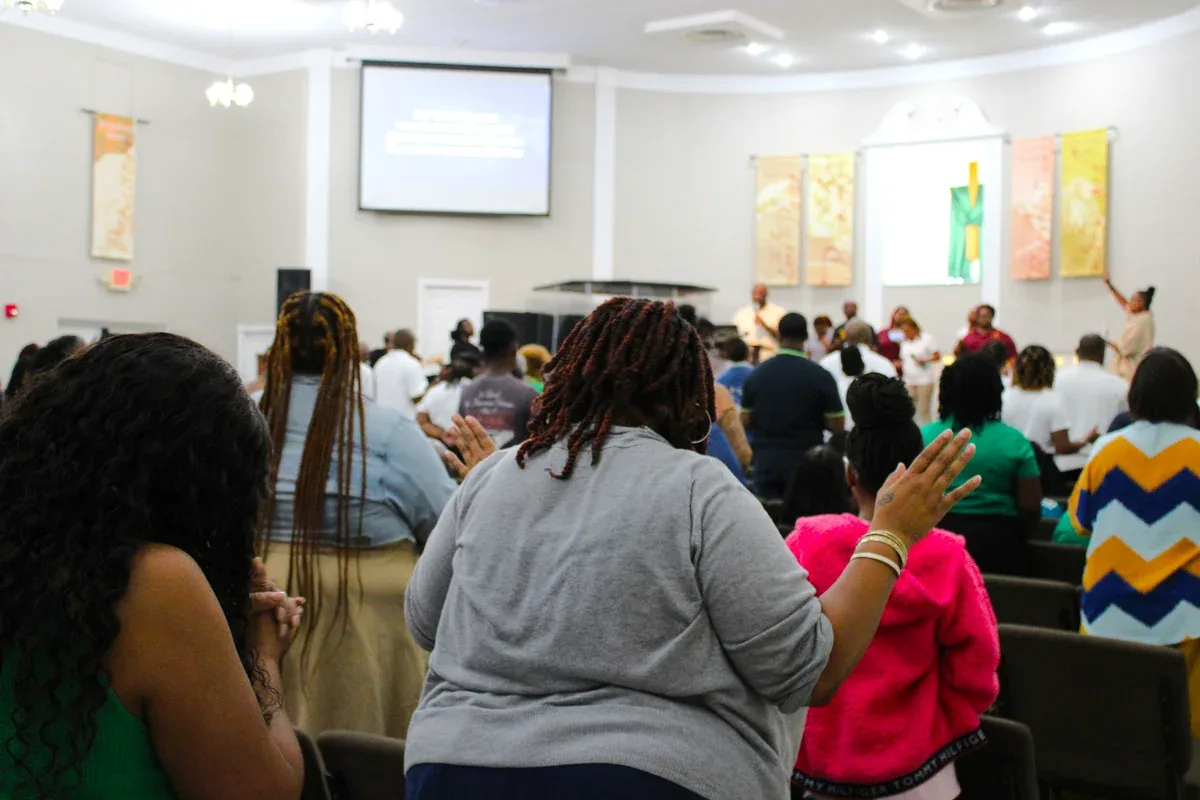
The service builds in extended worship focused on God’s worthiness and on praise as a spiritual weapon, with testimonies of God’s mercy in preserving lives through accidents and illness and a call to trust God even when facing pressure. Psalm 18:1 is read to frame God as strength, fortress, savior, and shield, and the congregation repeatedly affirms praise, worship, and dependence on the Lord through songs such as “You are Alpha and Omega,” “Praise is What I Do,” and “No one can worship You for me.”
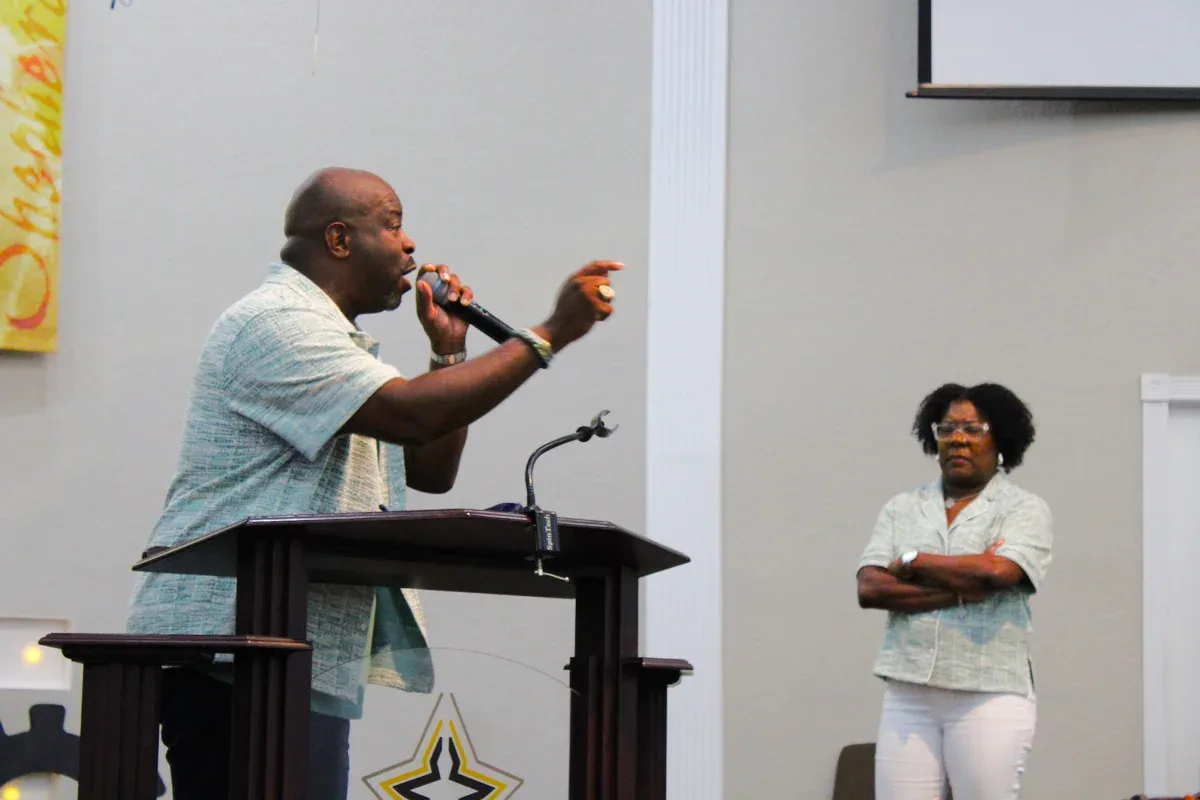
In a spontaneous ministry moment, the congregation is challenged to become part of God’s provision for one another. The speaker calls out that there are people who “desperately need a job,” asks those with connections and influence to stand, and then invites those needing work to come forward. Specific fields are named—graphic design, call center/customer service/medical, and sales/management—and people in the room are matched to connect after service. The moment is framed as God using the people present to “unfold” a miracle, with a charge to return with testimonies.
The sermon proper is introduced as a brief message from Genesis 18. Abraham and Sarah’s long barrenness is used to highlight not only the seriousness of their problem but their response when God sends an answer: Sarah laughs because she has concluded her situation will never change and doesn’t believe God would do it for her. The speaker focuses on God’s rhetorical question in Genesis 18:14—“Is anything too hard for the Lord?”—pressing it upon those who feel God won’t move for them. The congregation is led to confess that nothing is too hard for God and to interpret God’s response as a matter of timing, emphasizing that God says, “In a year, you will have a son,” meaning they will hold what they thought was impossible.
Application centers on giving God time, staying in position, and refusing to talk oneself out of what God is preparing. The message warns against “laughing at the possibility” when God speaks, noting that sometimes God places faith-filled people around us who can believe for us when our own response is weak. The conclusion calls for praise not delayed until the outcome arrives, because some realize they are closer than ever to receiving what God promised. The congregation is urged to encourage others with the confession that nothing—“not your thing”—is too hard for God.
The service ends with directed personal ministry and prayer, including a specific word of encouragement to an individual about God answering a crucial household question “this evening” and an exhortation to receive the answer without laughing at it, even if it isn’t the answer desired. An altar invitation is given for salvation, returning to Christ, joining the church, or receiving prayer, followed by closing prayer and benediction.
Related Sermons
Managing Me
Bishop Terry L. Hill, Jr. · Sep 6, 2026
The sermon opens the month’s focus on stewardship by turning the lens inward: before managing money, opportunities, or relationships, believers must learn to manage themselves. Using 1 Corinthians 6:19–20, the preacher frames stewardship as living under the ownership of God, recognizing that believers do not ultimately belong to themselves and therefore must live differently with their bodies, choices, and priorities. He begins with a personal story from 1992 when his father bought him a 1977…
The weight of a second chance
Bishop Terry L. Hill, Jr. · Aug 30, 2026
From Exodus 34, the speaker teaches that after we mishandle what God has given us, God may still speak to us and offer another chance—but that second chance carries responsibility, effort, and preparation. Like Moses, we must “chisel out” what we broke and show up differently so we can leave differently.